



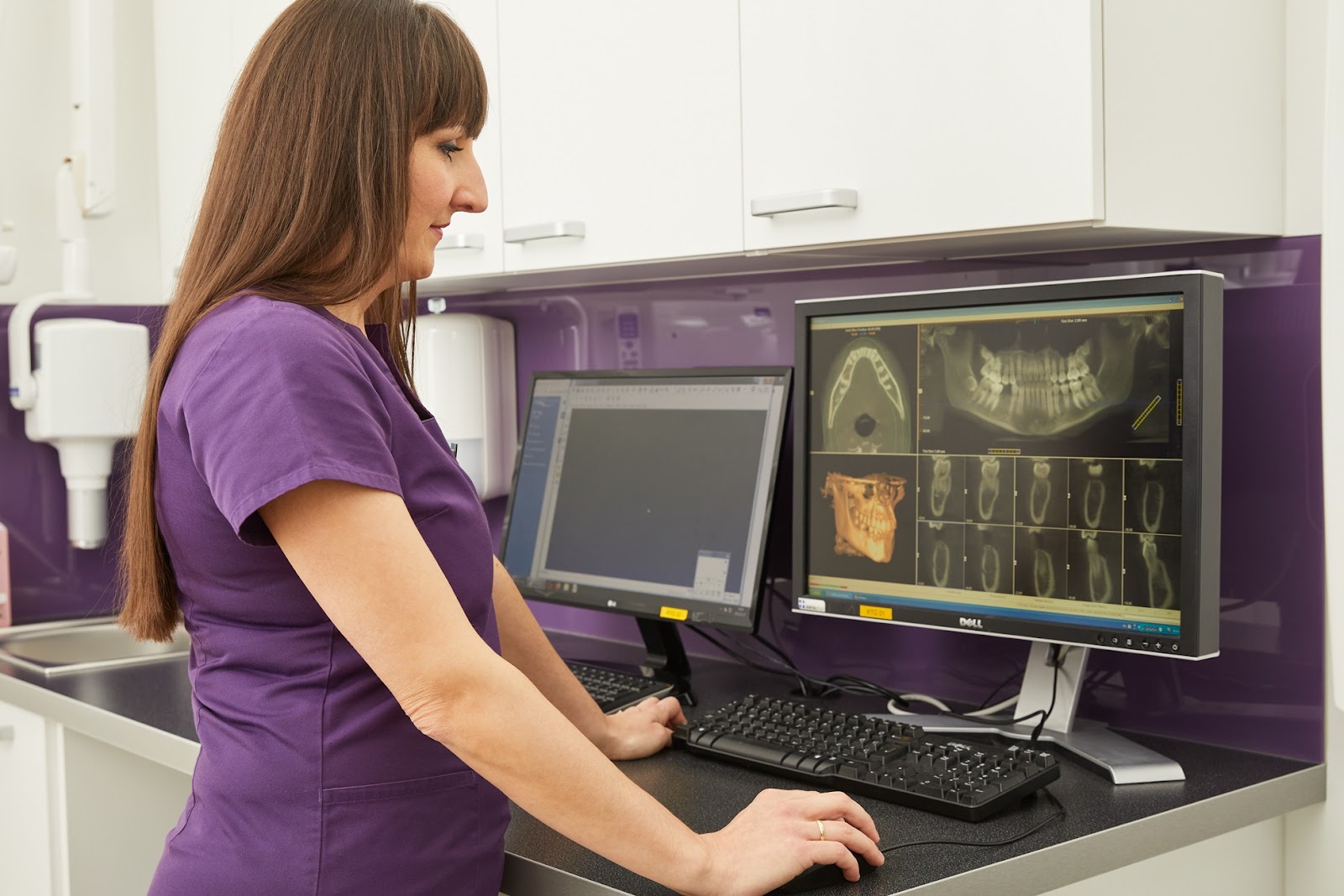
Tooth extraction is the removal of a tooth from its socket, most commonly due to severe tooth decay, periodontal disease, or dental trauma that renders the tooth unsaveable. What other situations would require tooth extraction, how does the procedure take place and what should you pay attention to afterward
When is tooth extraction necessary?
Dentists always try to preserve natural teeth. However, if a tooth is too severely damaged, extraction may be the only option. When is it necessary? Your dentist might recommend it, if
- tooth decay has caused such extensive damage that its function can no longer be restored with a filling, inlay, or crown;
- you suffer from advanced periodontal disease;
- root canal treatment is not feasible for an inflamed tooth, or the tooth does not heal even after the procedure;
- a focal infection has been diagnosed;
- the tooth has suffered severe trauma due to an accident or impact;
- the tooth root is cracked or fractured.
Tooth extraction may also be necessary during orthodontic treatment to create space for other teeth or if an impacted wisdom tooth cannot erupt and causes discomfort.
The tooth extraction process and oral surgery methods
Tooth extraction can be performed under local anaesthesia or, depending on the procedure, under general anaesthesia.
Tooth extraction with forceps under anaesthesia
After administering anaesthesia, the gum is separated from the tooth to be removed. Using forceps specifically designed to fit the tooth’s shape, the dentist carefully loosens and moves the tooth while preserving as much of the surrounding bone as possible before gently extracting it.
Surgical tooth extraction under anaesthesia
If a tooth cannot be removed with forceps or an elevator, or if extraction could lead to complications, a surgical approach is necessary. After administering anaesthesia, an incision is made in the gum, and the flap is lifted to access the tooth remnants. The area is then cleaned, and the wound is closed with stitches.
Surgical removal of wisdom teeth
Impacted wisdom teeth can cause significant problems and may even affect the overall health of the dentition. Their removal may be done through a simple extraction or, in some cases, surgical exposure, depending on the tooth’s position, its level of eruption, and the surrounding anatomical structures.
Frequently asked questions
How painful is tooth extraction?
As it is performed under anesthesia, the extraction itself is not painful, although you can experience pulling or pushing sensations.
What happens if a root remains after tooth extraction?
In such cases, an X-ray must be taken to determine whether a fragment of the tooth remains in the socket.
How long does the pain last?
The most discomfort occurs within the first three days after extraction. If you experience severe pain a week after the procedure, you should consult your dentist.
When can I eat after tooth extraction?
A common question is when it is safe to eat after tooth extraction. You can eat once the anaesthesia wears off, but stick to soft or liquid foods. Avoid dairy products, alcohol, coffee, and hard foods during the healing process.

After extraction: post-procedure care
Following these guidelines can help minimise discomfort, reduce the risk of infection, and speed up recovery after tooth extraction.
- Take the prescribed painkillers as directed by your dentist.
- Bite firmly but gently on the gauze pad placed on the wound to reduce bleeding and allow a blood clot to form. This clot is essential for healing and protecting the socket from infection. Replace the sterile gauze after 30 minutes.
- Rest for at least 24 hours after the extraction. Avoid strenuous activities for the next one to two days.
- Do not rinse your mouth vigorously or suck on the extraction site for the first 24 hours to prevent dislodging the blood clot.
- Avoid smoking, as it can slow down healing.
- Maintain good oral hygiene by brushing your teeth thoroughly to remove harmful plaque, but avoid touching the extraction site with your toothbrush. After a few days, you can gently clean the area with a new, soft-bristled toothbrush.
Oral surgery at Uniklinik
Do you need a tooth extraction or another procedure performed by an oral surgeon? Contact us by phone or book an appointment online for expert dental care. Our clinic offers state-of-the-art aesthetic dentistry services, from smile design to tartar removal.